Monday, October 15, 2018

A closer look at the most secure websites


Today, countless businesses have everything on their websites, from client information to transaction schedules. Even the most sensitive information of a company is stored on websites.

While some businesses can afford to have highly-secured servers or have moved to cloud-based technology, smaller companies still rely on PCs and laptops to maintain their websites and hold shared information. For owners or system administrators of these smaller companies, it might be helpful to take a good look at what the most secure websites have in common.

Image result for Pop-ups'
Image source: thesocialmediahat.com

Pop-ups (or lack thereof) Pop-ups, surprise ads, and banners that seem out of place may in fact, well be out of place. Phishing and UI Redress experts create these “portals” that either send site visitors to fake sites or steal information from them outright. The most secure websites such as PayPal and eBay have minimal ads and banners.

Contact Us (or maybe not)

A secure site usually has a complete “Contact Us” page, or at the very least, a working phone number. Hackers have found a way to simply take information by putting in a dummy email on the page.


Image result for secure website
Image source: nakedsecurity.sophos.com

Padlocks and Ss

One of the best examples is the padlock icon that can be seen in internet browser address bars. This icon is a symbol of a secure site. Another such sign of a secure website is the letter “S” at the end of the “http,” thus looking like https://.

SiteLock offers comprehensive, cloud-based website protection that automatically fixes threats, prevents future attacks, accelerates website speed, and meets PCI compliance standards. The company has been in operation since 2008. For more information on Sitelock’s services, click this link.

Monday, September 10, 2018

The benefits of having cloud-based web security

Image result for cloud-based web security
Image source: globaldots.com
Maintaining top-level security is among the main priorities of any business. And migrating to cloud-based protection is now the way to go. If IT services are to truly be effective, they must be able to keep in step with the speed of technological innovations and disruptions while providing comprehensive security capabilities and solutions.

For one, cloud-based security allows clients to better focus on their business while maintaining a high level of application control of their own personal content, systems, and networks. In other words, cloud allows for a new depth in defense, a reduction of the total security surface coverage or area as it works as a system container of sorts which envelops more traditional security systems.
Image result for cloud-based web security
Image source: noupe.com
Cloud offers high-capacity scaling while doing away with huge capital expenditures often tied up to security-system infrastructure. Security providers using cloud-based solutions are made up of highly skilled individuals who must abide by strict cybersecurity standards set by the National Institute of Standards and Technology. They must therefore meet the highest and most updated security demands of modern commerce, which is especially crucial with the arrival of both Software as a Service (SaaS) and Platform as a Service (PaaS).

Also, with solutions configured on cloud servers, security seamlessly integrates with compliance reporting. Activity monitoring now includes detecting any configuration change and/or security event based on established security controls and compliance protocols. In a nutshell, no non-cloud-based company can match the level of continuous, up-to-date service and expertise that cloud providers offer.

SiteLock offers comprehensive, cloud-based website protection that automatically fixes threats, prevents future attacks, accelerates website speed, and meets PCI compliance standards. The company has been in operation since 2008. For more information on Sitelock’s services, click thislink.

Friday, July 27, 2018

Why websites should be HTTPS-enabled

Image source: threatpost.com
Looking at the address bar of a web browser, one would see an “http://” or “https://” right before the URL of the webpage. For those who do not know yet, the “s” stands for “secure,” which means there is an extra layer of protection for a website’s sensitive information.

During the first years after the security protocol was developed, most websites who made use of it were e-commerce sites. It helped ensure that customer information and payment details remained confidential. But there have been lots of efforts to have many sites be HTTPS-enabled, with Google calling the initiative “HTTPS Everywhere.”

There are several reasons website owners should use HTTPS, such as the following:

Security

As already mentioned, security is the primary purpose of an HTTPS connection. Other than preventing data from falling into the wrong hands, it also ensures that communications between the site and the user cannot be tampered with and injected with malicious ads or spyware.

Image source: ubisan.com
SEO ranking

Google applications, such as Chrome, label non-HTTPS websites as dangerous; it is part of the tech giant’s algorithm to favor HTTPS websites. As a matter of fact, 40% of the organic listings on the first page of Google search are HTTPS-enabled. To increase the possibility of a website ranking high in search engines, making it HTTPS is one of the first steps.

Customer confidence

More and more users are becoming knowledgeable on the workings of the Internet. There are some who would consciously look for a secure connection when visiting a website. Most browsers indicate if a website is safe and even prompt users if the site is not.

SiteLock is a worldwide leader in website security. Read more about the company here.

Tuesday, May 22, 2018

Teaching cybersecurity responsibilities to web development clients

webdev Sensational Jobs for Freelance Web Developers
Image source: designyourway.net
Freelance web developers owe it to their clients to set up functional AND secure websites. Part of this task is introducing and educating clients on the ins and outs of proper website cybersecurity. It is the developer’s duty to inform the client of the gravity of the threats posed by malware and cybercriminals. By encouraging cybersecurity awareness in each client, developers help lay the foundations for a more secure web.

Clients are first taught their own cybersecurity responsibilities. Clients must not only learn the critical security tasks but also cultivate good cybersecurity habits to maintain the integrity of their systems.

A freelance web developer should introduce clients to the basics of effective website maintenance such as backups and updates. Clients should be taught that, while these chores may seem tedious, they are an important safeguard against potential cyberattacks, preventing major damage from affecting the website and its contents.

Image result for web developers clients
Image source: blog.mytemplatez.com
Setting up good online habits is also a crucial responsibility for developers. Clients should, for instance, understand the importance of key habits like following password security rules and creating unique and difficult-to-guess passwords for their sites and other online assets.

Finally, developers should encourage clients to understand their mutual limits. There are key tasks that can be left and taught to both the clients and their in-house teams and those that should be left to the developer. Advanced security measures should be given to dedicated cybersecurity professionals.

Investing in long-term website cybersecurity is crucial to the integrity of your business online. To learn more about how SiteLock can secure your enterprise’s online assets, visit this page.

Monday, April 23, 2018

Scare tactics used by ransomware

Image source:  dw.com

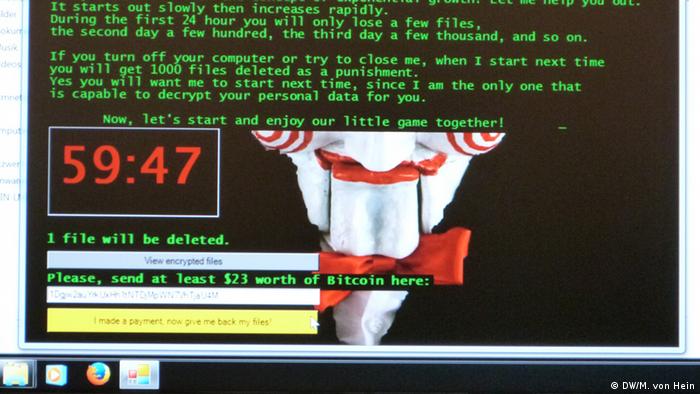
Ransomware is a type of malware that locks away access to files on a particular computer or network and releases them upon making payments. Recent variants of ransomware do so by encrypting data that makes them impossible to recover without a decryption key. However, many variants of ransomware go beyond just encrypting files just to force payments. Here are some scare tactics used by recent ransomware variants. Keep in mind, however, that making payments does not guarantee the release of a victim’s files.

Jigsaw, a ransomware variant that appeared in 2016, featured the image of the antagonist in the “Saw” movie, as well as a countdown timer. While several variants use intimidating images to persuade victims, many ransomware variants have adopted the use of a countdown timer to pressure victims into paying the ransom.

Image source:  neurogadget.net
Other variants went even further and made payments grow exponentially as time progressed, giving victims an illusion of an incentive if they pay now rather than later. There are also those that stretch this payment period for weeks, giving the victim ample time to make the payment.

Some ransomware variants also lie about their capabilities to pressure its victims. Although there are variants that can steal data, there are those who simply say so and threaten victims that their data would be released on the internet if they fail to pay. Some even use the logo of local law enforcement and accuse victims of federal crimes just so they would pay immediately.

SiteLock is a leading business website that offers comprehensive cloud-based website protection that automatically fixes threats, prevents future attacks, accelerates website speed, and meets PCI compliance standards for businesses of all sizes. To know more about its services, visit its website.

Tuesday, February 13, 2018

What you should know about cyberattacks in 2018


Image result for Uber data breaches
Image source: theyeshivaworld.com
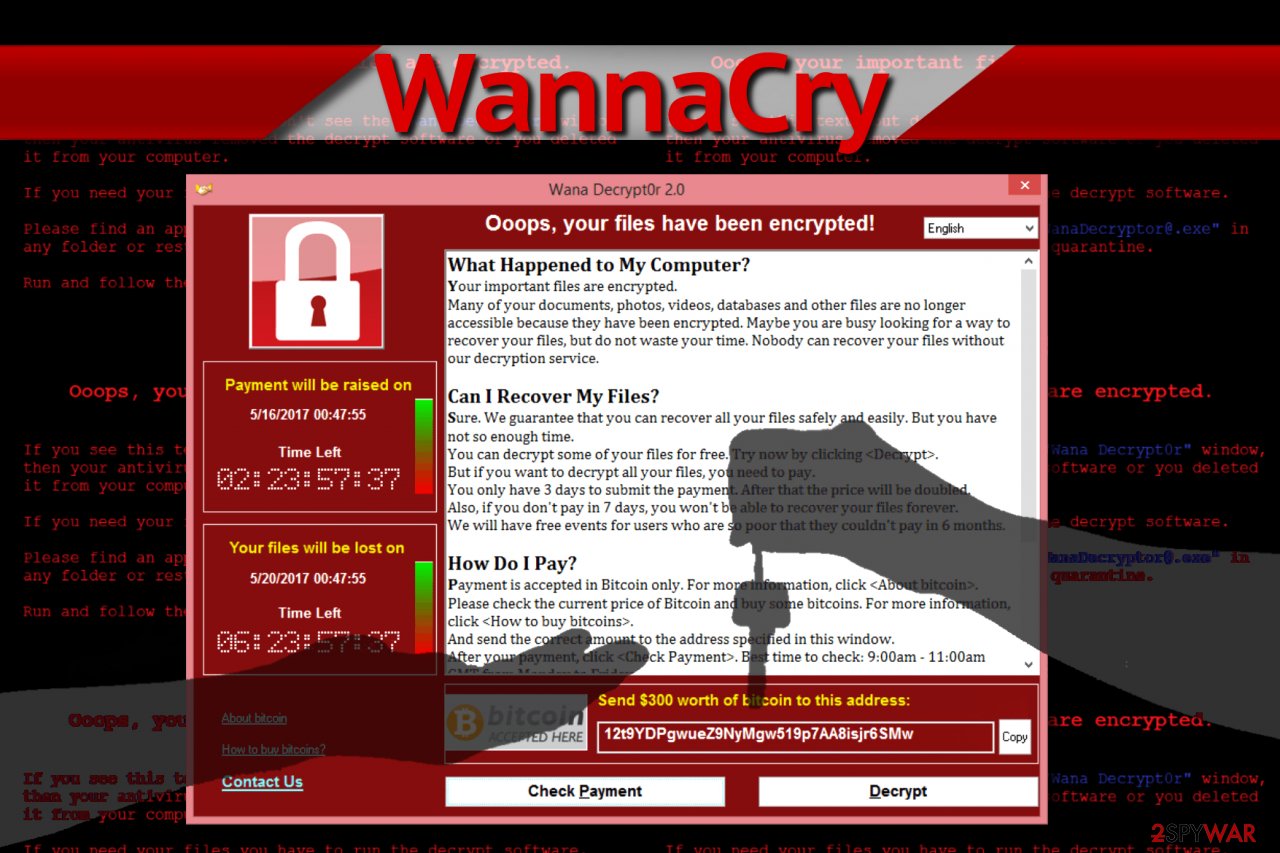
2017 has not been very lucky in evading some of the biggest cybersecurity threats in recent history, which affected millions of businesses and consumers through attacks such as WannaCry and Uber data breaches. Think about one in every 15 websites secretly being taken over by cybercriminals to steal credit card information or other personal data. Now more than ever, website owners should be alert and accept the possibility that they could be part of statistics.

Here are some cyberattack trends that everyone needs to be aware of in 2018.

Cryptojacking, which started to explode toward the end of 2017, could rise in incidence as the value of cryptocurrencies further escalates. The largest portion of this activity is likely to take place from legitimate websites compromised to mine currency for the criminal wallet. The world could also see more PowerShell-based attacks, which are malicious script-based attacks that are very difficult to identify and can easily evade antivirus engines.

Image result for WannaCry
Image source: 2-spyware.com
In 2018, more cybercriminals are predicted to more frequently use worms to launch malware. More malware families are seen to use the WannaCry and Trickbot use worm functionality so spread, as network compromise from worms proliferate faster than many other techniques.

In general, cyber attackers are expected to take advantage of website visitors through different means, including backdoor files (allowing them administrative access without website owner’s knowledge), direct visitor attacks (accounting for 26 percent of malicious files cleaned by website security provider SiteLock in the third quarter of 2017), and phishing kits or illegitimate replicas of popular sites such as Google or online banking apps.

Website security should be given ample attention and be an ongoing strategy for organizations. Users should use stronger, unique passwords; update apps and add-ons as soon as security patches are available; and maintain offsite backups of all content, to name a few methods for protection.

SiteLock is a global leader in business website security solutions founded in 2008 and serving over 8 million customers worldwide. Read more on this website.s

Tuesday, November 14, 2017

Why should people backup their website files

Image source: blogvault.net
Backing up computer files, much like fastening seatbelts, brushing teeth, and seeing the doctor, is a must. Ever since the dawn of the internet, many dangers have emerged to threaten the very existence of files. These threats double especially when people have websites that contain very important information. Backing up of the files kept on websites assures the owners that should any virus or malware bring a website to ruin, important data are kept safe and locked away.

A lot of cybercriminals out there have figured out more sophisticated means to make a buck. They and their creations, these viruses and harmful programs have spread all over the worldwide web. They’ve crashed billions of computers and countless websites, erasing files for good.

Image source: autodesk.com
While it’s true that many of these files can be recovered, sometimes, the effort is just not worth it. The old saying that an ounce of prevention is a lot better than tons of cure applies oh-so-well in this particular situation. The mere act of saving files once a week to an external drive changes everything.

Just be sure to run them through an anti-virus program first before backing them all up.

SiteLock provides its clients with only the best internet security. To find out more about SiteLock, visit its official website.