Showing posts with label cybersecurity. Show all posts

Tuesday, August 6, 2019

A brief look at how technology has kept everyone safe in the digital world

Image source: journal.jp.fujitsu.com
SiteLock has been all about high-quality website protection for business of all sizes. In the past few years however, the company has gone one step further and shared its knowledge on all thing website protection through their series of blogs.


For this blog, SiteLock offers its readers a glimpse of the bigger picture, at how technology has kept everyone safe in the digital world. This is significant because for many people today, half of their lives are spent in cyberspace, going through websites, working, sending emails, ordering goods and services, creating albums and personal spaces, meeting other people, and for all intents and purposes, cyberliving.


What too many internet users take for granted though is the security and safety provided to them via technology as a whole. Lest people forget, going and staying online involves a lot of information transfer, and huge chunk of this information is sensitive in nature. Should it fall into the wrong hands, a lot of damage could be done.


SiteLock explains that through the advancement of technology, various entities have developed security measures that keep everyone online safe. From basic and advanced data encryption, to firewalls, to anti-virus and anti-malware programs, to identity recognition, to Wi-Fi and LAN restrictions, IT and security experts all around the globe have worked tirelessly to keep cyberspace as safe and secure as possible.


SiteLock provides cloud-based protection, fixing threats, preventing future attacks, accelerating site performance, and meeting PCI compliance standards for businesses of all sizes. Learn more about SiteLock by visiting this website.

Tuesday, May 21, 2019

Understanding data breach: What happens to stolen data?

Image source: threatpost.com

 Data breach has made headlines several times in the past few years. It occurs when cybercriminals successfully infiltrate the data centers of companies and steal a data in the bulk, usually hundreds of thousands to millions of entries in a database. Stolen data usually comes in the form of user data such as names, birthdates, email addresses, passwords, phone numbers, and even financial information like insurance card numbers and credit card numbers. What happens to these stolen data when cybercriminals get their hands on them?

The first move of a cybercriminal after a successful data heist is to sell the information in the deep web. The more information embedded in these personal accounts, the higher the price. From here, cybercriminals can buy these accounts to do their dirty work.

Image source: pcmag.com
One of the most harmful effects of data breach is identity, bank, or insurance fraud. Cybercriminals can use the stolen information to access banks, use a person’s insurance, or generate fake identification cards. To make matters worse, the victim of stolen identity or credentials remains unaware of the fraud until it’s too late. Some cybercriminals can conjure fake identities complete with birth certificates, drivers license, and insurance documentation.

Another way cybercriminals use these information is by sending ransomware or malware to the victims through e-mail messages. They can also pretend to be e-mail messages from banks containing links that would require users to input their credentials in a fake website.

Founded in 2008, SiteLock is a global leader in business website security solutions, serving over 8 million customers worldwide. It is the only web security solutions firm that offers complete, cloud-based website protection and serves e-commerce enterprises, financial service companies, legal offices, and web developers and designers. Know more about cybersecurity and the company by visiting their official website.

Thursday, May 16, 2019

More ways to improve a company’s website security

Image source: sitewired.com

SiteLock has always been about keeping websites safe from hackers and other cybercriminals. The company has always believed that strong website security keeps each and every visitor of said website safe, which in turn, is good the business behind the site. As such, SiteLock never tires of sharing valuable information and helpful tips for both businesses and individuals that run sites.

On that note, here are more important reminders on how to improve a company website’s security.

Access settings

Some companies have entire departments dedicated to running the main website. SiteLock believes that the more people who have access to the settings of the website, the bigger the chances of it being compromised. As such, companies are recommended to restrict access to certain files within websites to key people. The rest of the employees can be delegated to do other tasks such as website maintenance.

Image source: interact-intranet.com
Device usage

Employees that run websites can access the site from just about any device if they have the proper credentials. Because of this, company-issued devices should be checked at all times and usage should be restricted to either key employees or extreme situations such as online emergencies.

Employee monitoring

Companies should give extra notice to everyone who has access to the website’s settings. There should be a record of people via access notifications. This may require a company to create a separate department for security, but SiteLock states it’s worth the safety and peace of mind.

Train your staff to spot cyber threats and attacks.

By properly educating your employees to distinguish cyberattacks, you will be one step ahead into protecting your data and overall security. Provide regular training sessions and update policy documents that encourage staff to place all guidelines into practice.

SiteLock, a global leader in business website security solutions, offers fast and reliable content delivery network, among many other products. Read more about the said solution here.

Monday, April 15, 2019

A look back at the biggest hacks of the past years

SiteLock has always emphasized the importance of being both vigilant and informed in the never-ending struggle to keep websites safe against hackers. As both safety protocols and hacking methods evolve to become more effective and sophisticated, what gives the good guys the upper hand is the attitude of people towards cybersecurity.

For instance, over the past few years, hackers have gone through some of the toughest websites to bring down the companies behind them.

Image source: usatoday.com
Of all the high-profile attacks, two of the most disturbing attacks happened on the biggest social media site today – Facebook. In April 2018, the website was infiltrated by an app that illegally stole information on 87 million users. Two months later, another app called Nametests.com exposed to the public information of over 120 million Facebook users.

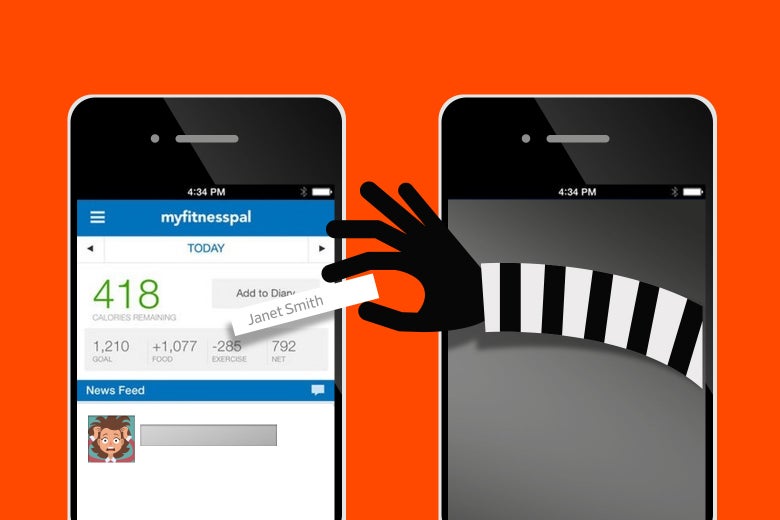
Apps have also been as much of a target as websites. In March 2018, hackers got through to sporting apparel giant. Under Armour, through its famed app, MyFitnessPal. Over 150 million user emails, usernames, and passwords were compromised.

Image source: slate.com
Other big name companies that were hit were Saks Fifth Avenue and Lord & Taylor as hackers from JokerStash stole (and subsequently tried to sell) credit and debit cards from these high-end stores’ websites.

SiteLock also mentioned the Ticketfly scandal by which a hacker saw a flaw in the ticket-seller company’s website. Ticketfly ignored the warning, and the hacker exposed the information of its employees.

A global leader in website security solutions, SiteLock offers cloud-based website protection. For more on SiteLock, visit this website.

Tuesday, December 4, 2018

Four key steps to keep your business safe from black hat hackers


Image source: cybersecurity-insiders.com
Cyberattacks have become more common over the recent years, and business owners are doing everything they can to keep off black hat hackers from their tracks. Data losses could mean setbacks in operations, or even failure to operate altogether.

Enhance IT presence and security practices. Small business owners may choose to handle their company’s cybersecurity needs. However, this may not be for the best interest of their business. While it can save them money, allocating budget for the IT systems from the get-go may potentially save more money in the long run. Data breaches can harm a business and are expensive, ranging from $35,000 to $50,000 in recovery expenses. Consider investing in a cyber liability insurance policy to offset the costs by paying for costs such as services for credit monitoring, customer notification, and legal expenses.

Image source: wired.com
It’s not enough for a small business owner to invest in a safe and reliable IT security system, employees must also be educated on the best cybersecurity practices. Often, an entrepreneur isn’t an IT expert, so are their employees. Educating them on the best practices is crucial for protecting a firm’s data.

Maintain end-to-end encryption software
, safeguarding point-of-sales systems. Lacking in this area of the business can put not only the company’s sensitive data but also their customers’. Even if black hat hackers can install malware on the POS system, employing end-to-end encryption software protects all information as they are encrypted immediately after being received by through a server.

Founded in 2008, SiteLock is a global leader in business website security solutions, serving over 8 million customers worldwide. For more information about SiteLock, head over to this website.

Wednesday, November 7, 2018

Why companies with websites should always update their software

Image result for update software
Image source: techcommuters.com

Updated software is a crucial part of any company that relies heavily on its websites for its operations. Unfortunately, the use of outdated software is a by-product of cost-cutting programs done by hundreds of businesses. Running obsolete software and legacy systems (OS that no longer under updates), especially for website-reliant companies is a very dangerous game since the security itself of these programs is outdated.

Countless IT horror stories tell of malware and viruses crashing the computers of entire companies, computers that would have been safe had software been up to date. Take for instance the WannaCry ransomware that encrypted all the files of over 160,000 computers. IT experts found that nearly seven out of every ten computers that were hit by WannaCry had Windows 7 as their OS.

Image result for importace of updating software
Image source: airbnb.com
Future versions of Windows have patches that would have detected and blocked or quarantined WannaCry before the ransomware could do its damage. That’s the advantage to updating software.

Now, imagine a company with dozens of computers running on old programs, all of which with their own part to play in maintaining a website. Assuming that all their software is the same, and all their vulnerabilities, identical. All a hacker has to do is look for the weak spot and launch a single attack via the website. It could cripple all operations and bring down the company.

So, do yourself and your company a favor. Check if the software that’s running your website is up to date. If it isn’t, raise the issue to the people who need to know about it.

SiteLock offers web security protection that covers a broad range of services, including website acceleration through improved SEO and bandwidth reduction, DDoS protection, firewall development, and automated detection and removal of malware threats and other related scams. For more web security tips, visit this site.

Monday, April 23, 2018

Scare tactics used by ransomware

Image source:  dw.com

Ransomware is a type of malware that locks away access to files on a particular computer or network and releases them upon making payments. Recent variants of ransomware do so by encrypting data that makes them impossible to recover without a decryption key. However, many variants of ransomware go beyond just encrypting files just to force payments. Here are some scare tactics used by recent ransomware variants. Keep in mind, however, that making payments does not guarantee the release of a victim’s files.

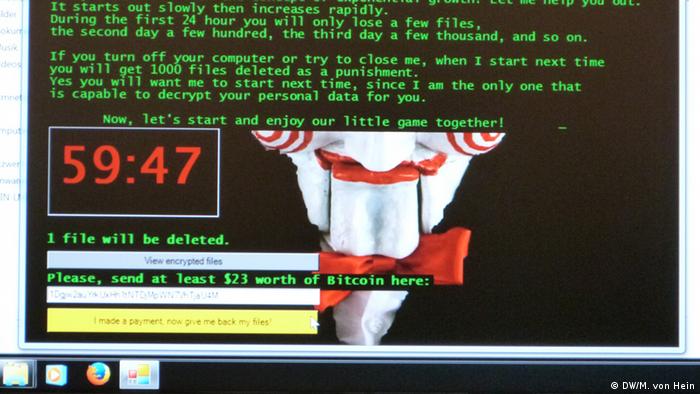
Jigsaw, a ransomware variant that appeared in 2016, featured the image of the antagonist in the “Saw” movie, as well as a countdown timer. While several variants use intimidating images to persuade victims, many ransomware variants have adopted the use of a countdown timer to pressure victims into paying the ransom.

Image source:  neurogadget.net
Other variants went even further and made payments grow exponentially as time progressed, giving victims an illusion of an incentive if they pay now rather than later. There are also those that stretch this payment period for weeks, giving the victim ample time to make the payment.

Some ransomware variants also lie about their capabilities to pressure its victims. Although there are variants that can steal data, there are those who simply say so and threaten victims that their data would be released on the internet if they fail to pay. Some even use the logo of local law enforcement and accuse victims of federal crimes just so they would pay immediately.

SiteLock is a leading business website that offers comprehensive cloud-based website protection that automatically fixes threats, prevents future attacks, accelerates website speed, and meets PCI compliance standards for businesses of all sizes. To know more about its services, visit its website.