Tuesday, August 6, 2019

A brief look at how technology has kept everyone safe in the digital world

Image source: journal.jp.fujitsu.com
SiteLock has been all about high-quality website protection for business of all sizes. In the past few years however, the company has gone one step further and shared its knowledge on all thing website protection through their series of blogs.


For this blog, SiteLock offers its readers a glimpse of the bigger picture, at how technology has kept everyone safe in the digital world. This is significant because for many people today, half of their lives are spent in cyberspace, going through websites, working, sending emails, ordering goods and services, creating albums and personal spaces, meeting other people, and for all intents and purposes, cyberliving.


What too many internet users take for granted though is the security and safety provided to them via technology as a whole. Lest people forget, going and staying online involves a lot of information transfer, and huge chunk of this information is sensitive in nature. Should it fall into the wrong hands, a lot of damage could be done.


SiteLock explains that through the advancement of technology, various entities have developed security measures that keep everyone online safe. From basic and advanced data encryption, to firewalls, to anti-virus and anti-malware programs, to identity recognition, to Wi-Fi and LAN restrictions, IT and security experts all around the globe have worked tirelessly to keep cyberspace as safe and secure as possible.


SiteLock provides cloud-based protection, fixing threats, preventing future attacks, accelerating site performance, and meeting PCI compliance standards for businesses of all sizes. Learn more about SiteLock by visiting this website.

Wednesday, July 3, 2019

What constitutes a DDoS attack?

Image source: trimm.nl
A DDoS or distributed denial-of-service attack is one that disrupts the targeted server’s usual traffic, network, or service. It does this by overwhelming the target with a flood of internet traffic, often relying on multiple, compromised computer systems as sources, explains website security professional SiteLock.


Machines that can be compromised include PCs, smartphones, and tablets, plus any other resources connected to the network, such as IoT devices. Think of a DDoS attack as an elaborate traffic jam preventing you from getting to your destination. It works by gaining control of an online network of machines, infecting them with malware and turning each one into a bot, effectively creating what is known as a botnet.


The attacker who controls this botnet can send various instructions remotely, updating the commands as they want. As a result, the target network’s IP address get to overflow capacity, and a denial-of-service to normal traffic occurs. There can be more than one attack vector, and the attacker may even cycle through them to deal with any countermeasure taken by the target network.


Ultimately, a DDoS attack seeks to exhaust the resources of its target, says SiteLock. Web pages will have problems responding to HTTP requests, as servers often need to load multiple files to accommodate database queries, much less respond to a barrage of such requests.


SiteLock is a global leader in business website security solutions. Founded in 2008, it serves over 8 million customers worldwide. Visit this site for more on the company.

Saturday, June 1, 2019

Expert tips on keeping the website safe via cloud security


Image source: getgsi.com

Not only does SiteLock provide world-class quality website protection via the cloud, but the company also goes that extra mile to help educate people everywhere on all things cybersecurity.


For this particular blog, SiteLock shares more expert advice for website owners on how to keep their sites safe with cloud security practices.


  1. As much as possible, keep sensitive and important files out of the cloud.


 Once customers input their data into a website, website users need to find a place in which to transfer the information – a place that isn’t in cyberspace, and that includes the cloud. What’s critical is that this transfer needs to happen as fast as the company’s operations can allow.


  2. Website owners should always control access to cloud-based apps.


 While there are a number of cloud-based apps in the market today, many users still depend on in-app functions, or worse, other people, to control access into the cloud. Website owners need to take the time to study these cloud-based apps since many of them have settings that can be handily tweaked for businesses.


  3. Website owners should make it a habit to encrypt sensitive data.


 Tying back everything to the first item on this list, SiteLock mentions the importance of encryption. An oft-overlooked function, encryption adds that final and definitive layer of security to critical information that ensures cybercriminals will be put through hell before opening any file.


  SiteLock provides cloud-based website protection, fixing threats, preventing future attacks, accelerating site performance, and meeting PCI compliance standards for businesses of all sizes. For more articles like this, visit this page.

Tuesday, May 21, 2019

Understanding data breach: What happens to stolen data?

Image source: threatpost.com

 Data breach has made headlines several times in the past few years. It occurs when cybercriminals successfully infiltrate the data centers of companies and steal a data in the bulk, usually hundreds of thousands to millions of entries in a database. Stolen data usually comes in the form of user data such as names, birthdates, email addresses, passwords, phone numbers, and even financial information like insurance card numbers and credit card numbers. What happens to these stolen data when cybercriminals get their hands on them?

The first move of a cybercriminal after a successful data heist is to sell the information in the deep web. The more information embedded in these personal accounts, the higher the price. From here, cybercriminals can buy these accounts to do their dirty work.

Image source: pcmag.com
One of the most harmful effects of data breach is identity, bank, or insurance fraud. Cybercriminals can use the stolen information to access banks, use a person’s insurance, or generate fake identification cards. To make matters worse, the victim of stolen identity or credentials remains unaware of the fraud until it’s too late. Some cybercriminals can conjure fake identities complete with birth certificates, drivers license, and insurance documentation.

Another way cybercriminals use these information is by sending ransomware or malware to the victims through e-mail messages. They can also pretend to be e-mail messages from banks containing links that would require users to input their credentials in a fake website.

Founded in 2008, SiteLock is a global leader in business website security solutions, serving over 8 million customers worldwide. It is the only web security solutions firm that offers complete, cloud-based website protection and serves e-commerce enterprises, financial service companies, legal offices, and web developers and designers. Know more about cybersecurity and the company by visiting their official website.

Thursday, May 16, 2019

More ways to improve a company’s website security

Image source: sitewired.com

SiteLock has always been about keeping websites safe from hackers and other cybercriminals. The company has always believed that strong website security keeps each and every visitor of said website safe, which in turn, is good the business behind the site. As such, SiteLock never tires of sharing valuable information and helpful tips for both businesses and individuals that run sites.

On that note, here are more important reminders on how to improve a company website’s security.

Access settings

Some companies have entire departments dedicated to running the main website. SiteLock believes that the more people who have access to the settings of the website, the bigger the chances of it being compromised. As such, companies are recommended to restrict access to certain files within websites to key people. The rest of the employees can be delegated to do other tasks such as website maintenance.

Image source: interact-intranet.com
Device usage

Employees that run websites can access the site from just about any device if they have the proper credentials. Because of this, company-issued devices should be checked at all times and usage should be restricted to either key employees or extreme situations such as online emergencies.

Employee monitoring

Companies should give extra notice to everyone who has access to the website’s settings. There should be a record of people via access notifications. This may require a company to create a separate department for security, but SiteLock states it’s worth the safety and peace of mind.

Train your staff to spot cyber threats and attacks.

By properly educating your employees to distinguish cyberattacks, you will be one step ahead into protecting your data and overall security. Provide regular training sessions and update policy documents that encourage staff to place all guidelines into practice.

SiteLock, a global leader in business website security solutions, offers fast and reliable content delivery network, among many other products. Read more about the said solution here.

Monday, April 15, 2019

A look back at the biggest hacks of the past years

SiteLock has always emphasized the importance of being both vigilant and informed in the never-ending struggle to keep websites safe against hackers. As both safety protocols and hacking methods evolve to become more effective and sophisticated, what gives the good guys the upper hand is the attitude of people towards cybersecurity.

For instance, over the past few years, hackers have gone through some of the toughest websites to bring down the companies behind them.

Image source: usatoday.com
Of all the high-profile attacks, two of the most disturbing attacks happened on the biggest social media site today – Facebook. In April 2018, the website was infiltrated by an app that illegally stole information on 87 million users. Two months later, another app called Nametests.com exposed to the public information of over 120 million Facebook users.

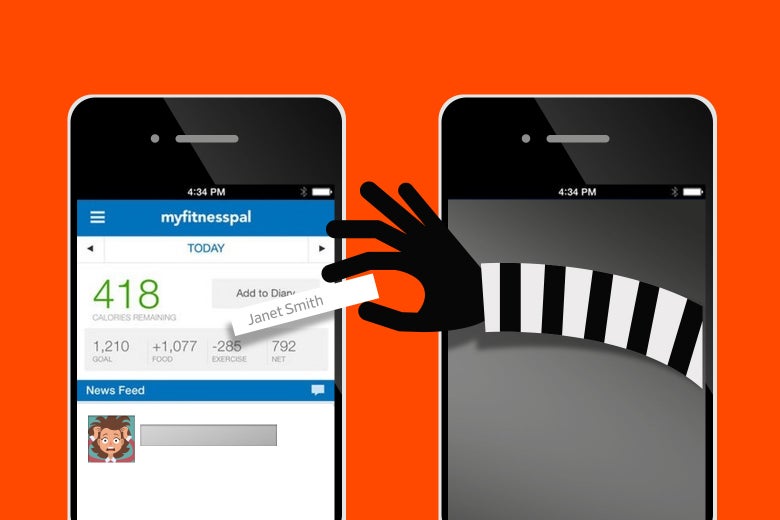
Apps have also been as much of a target as websites. In March 2018, hackers got through to sporting apparel giant. Under Armour, through its famed app, MyFitnessPal. Over 150 million user emails, usernames, and passwords were compromised.

Image source: slate.com
Other big name companies that were hit were Saks Fifth Avenue and Lord & Taylor as hackers from JokerStash stole (and subsequently tried to sell) credit and debit cards from these high-end stores’ websites.

SiteLock also mentioned the Ticketfly scandal by which a hacker saw a flaw in the ticket-seller company’s website. Ticketfly ignored the warning, and the hacker exposed the information of its employees.

A global leader in website security solutions, SiteLock offers cloud-based website protection. For more on SiteLock, visit this website.

Friday, March 8, 2019

Why your company needs to adopt a cloud-based IT solution now


Over the last few years, cloud computing has become a popular IT solution in the business world. It is a shared pool of configurable computer system resources and is an efficient and more secure way of using computing services over the Internet. SiteLock, a cloud-based website protection company, shares the reasons why your company or business should switch to this kind of solution.
Image source: digitaledge.org
It saves you a lot of money. Possibly the best reason to switch to a cloud solution is the fact that you don’t have to pay for your own corporate data center, its staff, and the overhead costs that go with it. SiteLock says that the overall savings go way beyond because most service providers enforce a pay-as-you-go model, only charging on the services procured.

It gives a scalable solution. As your business grows, so will your computing needs. You will need additional space or capacity, and cloud computing solutions are scalable in a sense that they can provide whatever you need anytime you want it. If you have recently hired people, the cloud-based solution can add them to the system in minutes.
Image source: news.sap.com
It offers mobility. Many of us are working remotely, and your cloud storage lets you work anywhere, as long as you have access to the system. Gone are the days of carrying folders or other work-related documents as you travel. Everything you need is easily accessible, including big files or presentations, as long as you have steady internet access.

SiteLock provides cloud-based website protection, fixing threats, preventing future attacks, accelerating site performance, and meeting PCI compliance standards for businesses of all sizes. For more articles like this, visit this page.

Friday, January 4, 2019

An important reminder on firewalls, networks, and cyber safety

Related image
Image source: weidongzhou.wordpress.com

Cybersecurity comes in many forms, especially for large enterprises that heavily depend on websites to do their business. Most of the time, these websites link up with many computers in the office that are either connected to servers or clouds, or both. With all these easily accessed connections, companies and their IT departments might need to be refreshed on the basics of firewalls and network security.

Firewalls keep viruses, malware, and other unwanted data from infiltrating a computer, and in extension, a network. This common yet effective cybersecurity device was developed to keep a computer safe from being accessed by people without the proper credentials.

Businesses that rely on websites need to have stronger firewalls since websites are gateways for many cybercriminals. The stronger the firewall, the more secure the information is beyond the website, especially if it is a website where visitors input sensitive information such as bank account and credit card details.

Image result for cyber safety
Image source: govtechreview.com.au
Millions of computers have been hacked in the past because their firewalls failed to keep out a handful of hackers. Over the years, we’ve heard reports of entire enterprises having compromised security because of unwarranted access. IT departments in companies then need to make sure that their firewalls are up to date—especially since hackers are always developing new ways to attack via websites.

SiteLock offers web security protection that covers a broad range of services, including website acceleration through improved SEO and bandwidth reduction, DDoS protection, firewall development, and automated detection and removal of malware threats and other related scams. For more web security tips, visit this blog.

Tuesday, December 4, 2018

Four key steps to keep your business safe from black hat hackers


Image source: cybersecurity-insiders.com
Cyberattacks have become more common over the recent years, and business owners are doing everything they can to keep off black hat hackers from their tracks. Data losses could mean setbacks in operations, or even failure to operate altogether.

Enhance IT presence and security practices. Small business owners may choose to handle their company’s cybersecurity needs. However, this may not be for the best interest of their business. While it can save them money, allocating budget for the IT systems from the get-go may potentially save more money in the long run. Data breaches can harm a business and are expensive, ranging from $35,000 to $50,000 in recovery expenses. Consider investing in a cyber liability insurance policy to offset the costs by paying for costs such as services for credit monitoring, customer notification, and legal expenses.

Image source: wired.com
It’s not enough for a small business owner to invest in a safe and reliable IT security system, employees must also be educated on the best cybersecurity practices. Often, an entrepreneur isn’t an IT expert, so are their employees. Educating them on the best practices is crucial for protecting a firm’s data.

Maintain end-to-end encryption software
, safeguarding point-of-sales systems. Lacking in this area of the business can put not only the company’s sensitive data but also their customers’. Even if black hat hackers can install malware on the POS system, employing end-to-end encryption software protects all information as they are encrypted immediately after being received by through a server.

Founded in 2008, SiteLock is a global leader in business website security solutions, serving over 8 million customers worldwide. For more information about SiteLock, head over to this website.

Wednesday, November 7, 2018

Why companies with websites should always update their software

Image result for update software
Image source: techcommuters.com

Updated software is a crucial part of any company that relies heavily on its websites for its operations. Unfortunately, the use of outdated software is a by-product of cost-cutting programs done by hundreds of businesses. Running obsolete software and legacy systems (OS that no longer under updates), especially for website-reliant companies is a very dangerous game since the security itself of these programs is outdated.

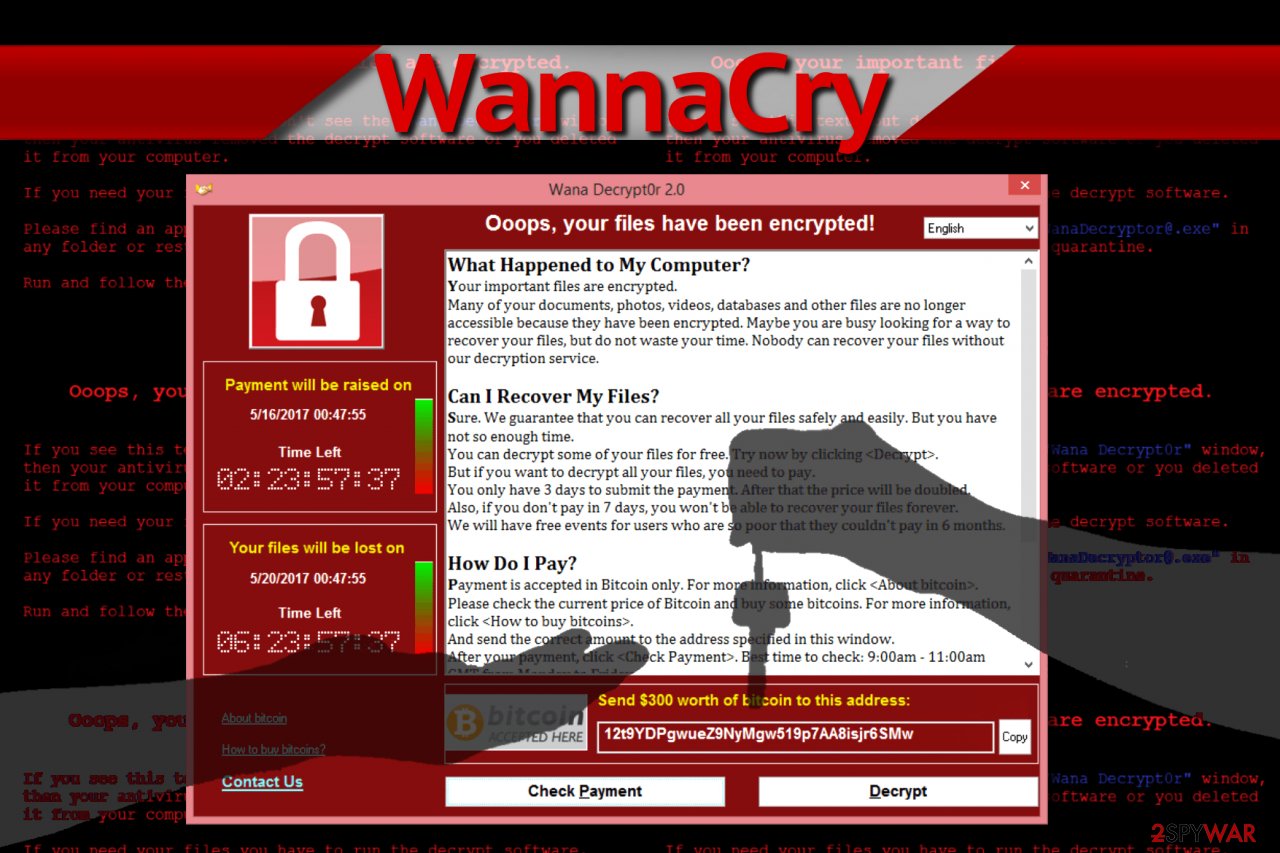
Countless IT horror stories tell of malware and viruses crashing the computers of entire companies, computers that would have been safe had software been up to date. Take for instance the WannaCry ransomware that encrypted all the files of over 160,000 computers. IT experts found that nearly seven out of every ten computers that were hit by WannaCry had Windows 7 as their OS.

Image result for importace of updating software
Image source: airbnb.com
Future versions of Windows have patches that would have detected and blocked or quarantined WannaCry before the ransomware could do its damage. That’s the advantage to updating software.

Now, imagine a company with dozens of computers running on old programs, all of which with their own part to play in maintaining a website. Assuming that all their software is the same, and all their vulnerabilities, identical. All a hacker has to do is look for the weak spot and launch a single attack via the website. It could cripple all operations and bring down the company.

So, do yourself and your company a favor. Check if the software that’s running your website is up to date. If it isn’t, raise the issue to the people who need to know about it.

SiteLock offers web security protection that covers a broad range of services, including website acceleration through improved SEO and bandwidth reduction, DDoS protection, firewall development, and automated detection and removal of malware threats and other related scams. For more web security tips, visit this site.

Monday, October 15, 2018

A closer look at the most secure websites


Today, countless businesses have everything on their websites, from client information to transaction schedules. Even the most sensitive information of a company is stored on websites.

While some businesses can afford to have highly-secured servers or have moved to cloud-based technology, smaller companies still rely on PCs and laptops to maintain their websites and hold shared information. For owners or system administrators of these smaller companies, it might be helpful to take a good look at what the most secure websites have in common.

Image result for Pop-ups'
Image source: thesocialmediahat.com

Pop-ups (or lack thereof) Pop-ups, surprise ads, and banners that seem out of place may in fact, well be out of place. Phishing and UI Redress experts create these “portals” that either send site visitors to fake sites or steal information from them outright. The most secure websites such as PayPal and eBay have minimal ads and banners.

Contact Us (or maybe not)

A secure site usually has a complete “Contact Us” page, or at the very least, a working phone number. Hackers have found a way to simply take information by putting in a dummy email on the page.


Image result for secure website
Image source: nakedsecurity.sophos.com

Padlocks and Ss

One of the best examples is the padlock icon that can be seen in internet browser address bars. This icon is a symbol of a secure site. Another such sign of a secure website is the letter “S” at the end of the “http,” thus looking like https://.

SiteLock offers comprehensive, cloud-based website protection that automatically fixes threats, prevents future attacks, accelerates website speed, and meets PCI compliance standards. The company has been in operation since 2008. For more information on Sitelock’s services, click this link.

Monday, September 10, 2018

The benefits of having cloud-based web security

Image result for cloud-based web security
Image source: globaldots.com
Maintaining top-level security is among the main priorities of any business. And migrating to cloud-based protection is now the way to go. If IT services are to truly be effective, they must be able to keep in step with the speed of technological innovations and disruptions while providing comprehensive security capabilities and solutions.

For one, cloud-based security allows clients to better focus on their business while maintaining a high level of application control of their own personal content, systems, and networks. In other words, cloud allows for a new depth in defense, a reduction of the total security surface coverage or area as it works as a system container of sorts which envelops more traditional security systems.
Image result for cloud-based web security
Image source: noupe.com
Cloud offers high-capacity scaling while doing away with huge capital expenditures often tied up to security-system infrastructure. Security providers using cloud-based solutions are made up of highly skilled individuals who must abide by strict cybersecurity standards set by the National Institute of Standards and Technology. They must therefore meet the highest and most updated security demands of modern commerce, which is especially crucial with the arrival of both Software as a Service (SaaS) and Platform as a Service (PaaS).

Also, with solutions configured on cloud servers, security seamlessly integrates with compliance reporting. Activity monitoring now includes detecting any configuration change and/or security event based on established security controls and compliance protocols. In a nutshell, no non-cloud-based company can match the level of continuous, up-to-date service and expertise that cloud providers offer.

SiteLock offers comprehensive, cloud-based website protection that automatically fixes threats, prevents future attacks, accelerates website speed, and meets PCI compliance standards. The company has been in operation since 2008. For more information on Sitelock’s services, click thislink.

Friday, July 27, 2018

Why websites should be HTTPS-enabled

Image source: threatpost.com
Looking at the address bar of a web browser, one would see an “http://” or “https://” right before the URL of the webpage. For those who do not know yet, the “s” stands for “secure,” which means there is an extra layer of protection for a website’s sensitive information.

During the first years after the security protocol was developed, most websites who made use of it were e-commerce sites. It helped ensure that customer information and payment details remained confidential. But there have been lots of efforts to have many sites be HTTPS-enabled, with Google calling the initiative “HTTPS Everywhere.”

There are several reasons website owners should use HTTPS, such as the following:

Security

As already mentioned, security is the primary purpose of an HTTPS connection. Other than preventing data from falling into the wrong hands, it also ensures that communications between the site and the user cannot be tampered with and injected with malicious ads or spyware.

Image source: ubisan.com
SEO ranking

Google applications, such as Chrome, label non-HTTPS websites as dangerous; it is part of the tech giant’s algorithm to favor HTTPS websites. As a matter of fact, 40% of the organic listings on the first page of Google search are HTTPS-enabled. To increase the possibility of a website ranking high in search engines, making it HTTPS is one of the first steps.

Customer confidence

More and more users are becoming knowledgeable on the workings of the Internet. There are some who would consciously look for a secure connection when visiting a website. Most browsers indicate if a website is safe and even prompt users if the site is not.

SiteLock is a worldwide leader in website security. Read more about the company here.

Tuesday, May 22, 2018

Teaching cybersecurity responsibilities to web development clients

webdev Sensational Jobs for Freelance Web Developers
Image source: designyourway.net
Freelance web developers owe it to their clients to set up functional AND secure websites. Part of this task is introducing and educating clients on the ins and outs of proper website cybersecurity. It is the developer’s duty to inform the client of the gravity of the threats posed by malware and cybercriminals. By encouraging cybersecurity awareness in each client, developers help lay the foundations for a more secure web.

Clients are first taught their own cybersecurity responsibilities. Clients must not only learn the critical security tasks but also cultivate good cybersecurity habits to maintain the integrity of their systems.

A freelance web developer should introduce clients to the basics of effective website maintenance such as backups and updates. Clients should be taught that, while these chores may seem tedious, they are an important safeguard against potential cyberattacks, preventing major damage from affecting the website and its contents.

Image result for web developers clients
Image source: blog.mytemplatez.com
Setting up good online habits is also a crucial responsibility for developers. Clients should, for instance, understand the importance of key habits like following password security rules and creating unique and difficult-to-guess passwords for their sites and other online assets.

Finally, developers should encourage clients to understand their mutual limits. There are key tasks that can be left and taught to both the clients and their in-house teams and those that should be left to the developer. Advanced security measures should be given to dedicated cybersecurity professionals.

Investing in long-term website cybersecurity is crucial to the integrity of your business online. To learn more about how SiteLock can secure your enterprise’s online assets, visit this page.

Monday, April 23, 2018

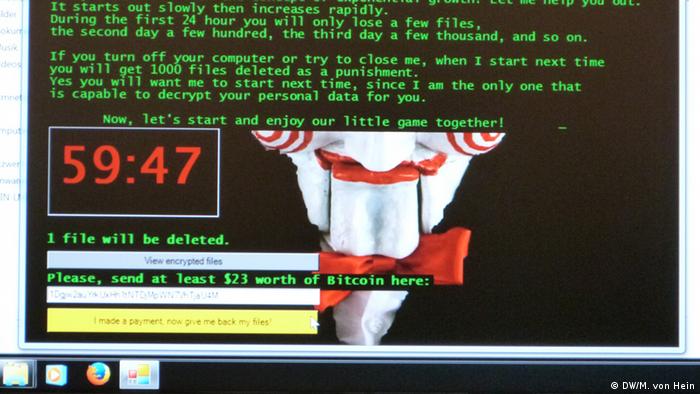
Scare tactics used by ransomware

Image source:  dw.com

Ransomware is a type of malware that locks away access to files on a particular computer or network and releases them upon making payments. Recent variants of ransomware do so by encrypting data that makes them impossible to recover without a decryption key. However, many variants of ransomware go beyond just encrypting files just to force payments. Here are some scare tactics used by recent ransomware variants. Keep in mind, however, that making payments does not guarantee the release of a victim’s files.

Jigsaw, a ransomware variant that appeared in 2016, featured the image of the antagonist in the “Saw” movie, as well as a countdown timer. While several variants use intimidating images to persuade victims, many ransomware variants have adopted the use of a countdown timer to pressure victims into paying the ransom.

Image source:  neurogadget.net
Other variants went even further and made payments grow exponentially as time progressed, giving victims an illusion of an incentive if they pay now rather than later. There are also those that stretch this payment period for weeks, giving the victim ample time to make the payment.

Some ransomware variants also lie about their capabilities to pressure its victims. Although there are variants that can steal data, there are those who simply say so and threaten victims that their data would be released on the internet if they fail to pay. Some even use the logo of local law enforcement and accuse victims of federal crimes just so they would pay immediately.

SiteLock is a leading business website that offers comprehensive cloud-based website protection that automatically fixes threats, prevents future attacks, accelerates website speed, and meets PCI compliance standards for businesses of all sizes. To know more about its services, visit its website.

Tuesday, February 13, 2018

What you should know about cyberattacks in 2018


Image result for Uber data breaches
Image source: theyeshivaworld.com
2017 has not been very lucky in evading some of the biggest cybersecurity threats in recent history, which affected millions of businesses and consumers through attacks such as WannaCry and Uber data breaches. Think about one in every 15 websites secretly being taken over by cybercriminals to steal credit card information or other personal data. Now more than ever, website owners should be alert and accept the possibility that they could be part of statistics.

Here are some cyberattack trends that everyone needs to be aware of in 2018.

Cryptojacking, which started to explode toward the end of 2017, could rise in incidence as the value of cryptocurrencies further escalates. The largest portion of this activity is likely to take place from legitimate websites compromised to mine currency for the criminal wallet. The world could also see more PowerShell-based attacks, which are malicious script-based attacks that are very difficult to identify and can easily evade antivirus engines.

Image result for WannaCry
Image source: 2-spyware.com
In 2018, more cybercriminals are predicted to more frequently use worms to launch malware. More malware families are seen to use the WannaCry and Trickbot use worm functionality so spread, as network compromise from worms proliferate faster than many other techniques.

In general, cyber attackers are expected to take advantage of website visitors through different means, including backdoor files (allowing them administrative access without website owner’s knowledge), direct visitor attacks (accounting for 26 percent of malicious files cleaned by website security provider SiteLock in the third quarter of 2017), and phishing kits or illegitimate replicas of popular sites such as Google or online banking apps.

Website security should be given ample attention and be an ongoing strategy for organizations. Users should use stronger, unique passwords; update apps and add-ons as soon as security patches are available; and maintain offsite backups of all content, to name a few methods for protection.

SiteLock is a global leader in business website security solutions founded in 2008 and serving over 8 million customers worldwide. Read more on this website.s

Tuesday, November 14, 2017

Why should people backup their website files

Image source: blogvault.net
Backing up computer files, much like fastening seatbelts, brushing teeth, and seeing the doctor, is a must. Ever since the dawn of the internet, many dangers have emerged to threaten the very existence of files. These threats double especially when people have websites that contain very important information. Backing up of the files kept on websites assures the owners that should any virus or malware bring a website to ruin, important data are kept safe and locked away.

A lot of cybercriminals out there have figured out more sophisticated means to make a buck. They and their creations, these viruses and harmful programs have spread all over the worldwide web. They’ve crashed billions of computers and countless websites, erasing files for good.

Image source: autodesk.com
While it’s true that many of these files can be recovered, sometimes, the effort is just not worth it. The old saying that an ounce of prevention is a lot better than tons of cure applies oh-so-well in this particular situation. The mere act of saving files once a week to an external drive changes everything.

Just be sure to run them through an anti-virus program first before backing them all up.

SiteLock provides its clients with only the best internet security. To find out more about SiteLock, visit its official website.

Thursday, October 5, 2017

Small businesses should not underestimate web security


Image source: ezsitebuilders.com

When websites receiving a huge number of visitors get hacked, it makes headlines. For example, when several government websites were hacked by ISIS weeks ago, the incidents were all over the news. The same can be said when the Equifax data breach was made known to the public earlier this month.

Because of this, many small business owners share a common misconception that their website is safe from cyberattacks. They rely on what is called “security by obscurity,” mistakenly thinking that because their website is not as popular as bigger websites, security concerns are little to none.

The unfortunate reality is that there is no such thing as “too small to hack.” Any website is prone to hacks or other forms of cyber threats.

Image source: techdonut.co.uk
Cybercriminals target websites for the following resources:

Bandwidth: A huge bandwidth is a costly commodity nowadays. Thus, cybercriminals who illegally share or distribute software online hack web servers to steal bandwidth so that they could carry on their illicit activity.

Website traffic: If a website, even if it is small, has an active comment section, cybercriminals can use it to their advantage by sending spam or stealing website traffic for their own profit.

Confidential data: One of the worst web attacks by hackers is stealing customer data, including email addresses. Small businesses have to defend their websites against this type of attack as it can lead to loss of customer trust.

SiteLock helps secure their clients’ websites by scanning for clarity, blocking ambiguity, and having frequent backups. To review the company’s services, visit its official website.

Friday, August 11, 2017

The basics of bandwidth management


Image source: techterms.com
One of the integral tasks in setting up and running a website is allocating and managing bandwidth to the people who help keep it operational. Probably if it were only one person running the website, then it wouldn’t be so much of a problem. But if there were more than ten people using one internet connection then business owners should know just exactly how to use bandwidth.

Bandwidth is the max data transfer rate of a connection, and as such, it measures the amount of data that can be used over a period of time. An example would be the commonly-used gigabit Ethernet connection, which has a bandwidth of 1,000 Mbps, or 125 megabytes per second. Internet cables clock in at around 25 Mbps.

Image source: verizon.com
Managing this depends on how many people will be using the entire system. Larger companies such as call centers would need a higher bandwidth, while smaller businesses may do well with a few internet cables.

It is important to remember that bandwidth doesn’t measure how fast the data travels since that information depends on the cables themselves. Although it can be ruled that the speed of this is negligible. What business owners need to calculate more than the speed is the amount of information needed. That also has a significant impact on bandwidth management.

SiteLock is a global industry leader when it comes to business website security solutions. One of their specializations is accelerating site performance through bandwidth management. Learn more about SiteLock by logging on to this website.

Sunday, June 11, 2017

What to do in the event of a security breach


Image result for security breach
Image source: lawtechnologytoday.org
The recent Wannacry virus caused a lot of damage to many companies when it wreaked havoc on the web just last April. While some of us are still reeling from its effects, it would be good to pick up a few lessons from the disaster. Here are the next logical steps to take in the event of a security breach.
This must first be communicated clearly and urgently within the organization. Someone simply has to press the panic button so that people will react promptly.

The next step is to disconnect. The team has to assume that the breach has already corrupted at least one computer. It is also prudent to assume that there is a malicious intent to corrupt other computers located in the same network. The logical solution is to eliminate the network so that there is no connection that runs from one computer to another.

Image result for disconnecting from the network
Image source: blog.iinet.net.au
If the problem has in fact infiltrated the company’s system, disconnecting from the network somewhat stops the bleeding and this limits the problem from spreading further to other computers.

Cleaning must be done on all computers individually. At some point, the OS will be releasing the latest updates once the developer has identified the nature of the virus or the malware that has breached the system, and these updates must be installed completely.

It is very hard to tell the extent of damage there is at the onset. But companies can surely put into practice a number of things in their breach protocol to ensure that the problem does not become more complicated.

Since 2008, SiteLock has been a key player in business website security solutions, serving a worldwide customer base of more than 8 million businesses. For the latest web security solutions, please visit their website.